Museum Galleries & Collection at Morikami
Morikami's collection holds more than 7,000 artifacts of Japanese art and culture, shown through rotating exhibitions that mix the museum's own holdings with pieces borrowed from private collectors and other institutions. The museum grew out of the original Yamato-kan building, which opened in 1977 before the current main museum building opened in 1993.
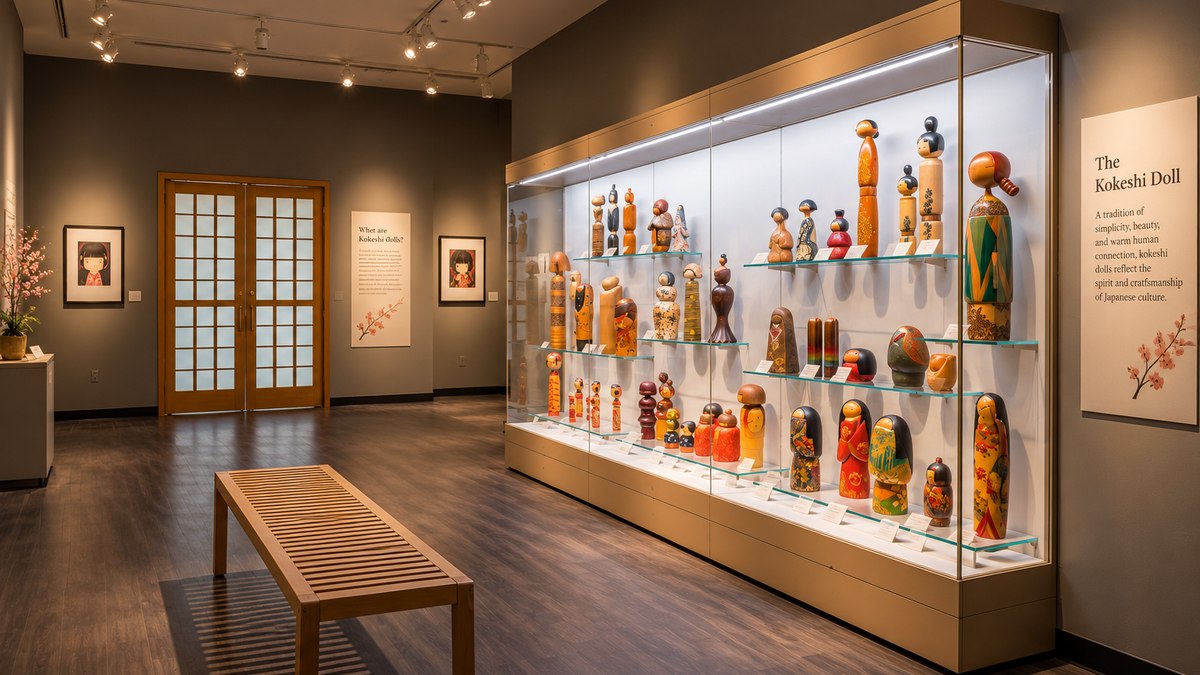
What's here
- Rotating exhibitions throughout the year drawn from the permanent collection and borrowed pieces.
- The original Yamato-kan building opened in 1977; the current main museum building opened in 1993.
- A research library and classroom space support ongoing classes, workshops, and cultural demonstrations.
- Photography and videography are not permitted inside the galleries.
Good to know
Check morikami.org before visiting if you're coming for a specific exhibit — gallery contents rotate throughout the year.
From Yamato-kan to the Modern Museum
Long before the current museum building existed, the Yamato-kan opened in 1977 as the first structure built to house and display Morikami's collection — a modest start compared to what the site would grow into. It served as the museum's home for more than a decade and still stands on the property today, now used as an event and exhibition space of its own rather than the main galleries.
The current main museum building opened in 1993, replacing the Yamato-kan as the primary exhibition space and giving the growing collection the larger, purpose-built galleries it had outgrown. Its architecture draws inspiration from Katsura Imperial Villa in Kyoto, one of Japan's most celebrated examples of traditional design, translating that influence into a Florida building suited to South Florida's climate and museum needs.
More Than 7,000 Artifacts
The permanent collection runs past 7,000 objects spanning Japanese art and material culture, far more than could ever be displayed at once — which is why the galleries rotate their exhibitions throughout the year rather than presenting a single fixed installation. Rotating shows regularly combine pieces from Morikami's own holdings with objects borrowed from private collectors and other institutions, giving repeat visitors a reason to come back even after they've seen the permanent collection.
Behind the galleries, a research library and classroom space support the museum's broader educational mission, hosting classes, workshops, and cultural demonstrations that go beyond what's on the gallery walls at any given time.
A Diary That Preserves the Yamato Colony's Story
Among the collection's holdings is the diary of Tamemasu "Henry" Kamiya, a settler of the Yamato Colony — the early-1900s Japanese farming settlement in what is now Boca Raton and Delray Beach, and the community George Morikami himself belonged to. Kamiya's diary records the daily life of the colony's Japanese pineapple farmers in their own words, making it one of the more direct firsthand records of a settlement that otherwise left few written accounts behind.
Because the museum and gardens exist specifically to preserve and share Yamato Colony history, artifacts like Kamiya's diary carry particular weight in the collection — they connect the polished galleries and gardens back to the working agricultural community that gave rise to the museum in the first place.
See the rest of the park
Museum & Collection is one of 6 featured areas at Morikami Museum and Japanese Gardens.